AMD vs Intel is the oldest argument in PC hardware, and in 2026 it’s more interesting than it’s been for years. AMD owns the gaming crown with its X3D chips. Intel has answered with aggressively priced processors that are excellent at heavy work. And both companies have pushed their next big desktop generations into 2027, so the chips you can buy today will be the ones to beat for a while yet.
Short version: in the AMD vs Intel race for a gaming-first PC, AMD’s X3D processors are the strongest choice. For heavy multitasking, content creation and value per core, Intel is very competitive. Either makes a great everyday computer. Choose on what you do, not the logo.
The current line-ups
AMD sells the Ryzen 9000 series on its AM5 platform. The standouts are the X3D models, like the Ryzen 7 9800X3D and 9850X3D, which add a large stack of cache and dominate gaming benchmarks. Standard Ryzen 5, 7 and 9 chips cover everything from budget builds to 16-core workstations.
Intel has two families on sale. The Core Ultra 200S series, including the newer “Plus” refresh such as the Core Ultra 7 270K Plus, uses the LGA1851 socket and is efficient and strong in multi-threaded work. The older 14th generation Core i5, i7 and i9 chips are still widely sold too, and offer lots of cores for the money.
What’s next? Reports suggest Intel’s Core Ultra 400 desktop chips, code-named Nova Lake, are on track for early 2027 on a new socket. Tom’s Hardware covered the leaked Nova Lake schedule, and AMD’s next desktop generation is also expected in 2027.
AMD vs Intel for gaming
This one is clear. AMD’s X3D processors are the fastest gaming CPUs available. Their extra L3 cache keeps game data close to the cores, which lifts frame rates and smooths out stutter. Our guide to CPU cache explains why that matters so much.
Intel’s chips are no slouches in games, and at 1440p and 4K, where the graphics card does most of the work, the difference shrinks a lot. But if you want the highest frame rates at 1080p or in CPU-heavy titles like simulators and strategy games, AMD is the pick. In the ryzen vs intel gaming debate, X3D has settled it for this generation.
Intel vs AMD for work and creative apps
Flip to productivity and the picture changes. Intel’s chips combine fast performance cores with lots of efficient cores, which gives them high core counts at their price. A Core i7-14700K has 20 cores, and the Core Ultra 7 270K Plus has 24. In rendering, video exports, code compiling and heavy multitasking, those extra cores make a real difference.
AMD’s standard Ryzen 9 chips are excellent here too, with up to 16 full-size cores. For mixed work, the intel vs amd decision often comes down to price on the day and which software you use.
AMD Ryzen 7 vs Intel i7
This is the comparison most buyers actually face, so it’s worth looking at directly. Here’s how AMD Ryzen 7 vs Intel i7 shakes out:
| Ryzen 7 (9000 series) | Core i7 (14th gen) | |
|---|---|---|
| Cores | 8 full-size cores | 20 cores (8 performance + 12 efficient) |
| Gaming | Excellent, best-in-class with X3D | Very good |
| Heavy multi-threaded work | Good | Stronger |
| Power use | Lower | Higher under full load |
| Platform future | AM5, still supported | LGA1700, end of the line |
If gaming is the priority, the X3D Ryzen 7 wins. If you edit video, render or run lots of virtual machines, the Core i7 gives you more cores for similar money. Both are well-rounded, which is why the AMD Ryzen 7 vs Intel i7 choice rarely goes badly either way.
Power use and heat
AMD’s Ryzen 9000 chips are efficient, especially the X3D models, which deliver huge gaming performance without enormous power draw. Intel’s 14th generation chips can pull a lot of power under full load and need good cooling. The Core Ultra 200S chips are a big improvement on efficiency over Intel’s previous generation.
If you own a 13th or 14th generation Intel chip, keep the motherboard BIOS up to date. Intel released microcode fixes for a stability issue affecting some of those processors, and the updates are important.
Platforms and upgrade paths
This is an underrated part of the AMD vs Intel choice. AMD’s AM5 socket has been around since 2022, and AMD has said it plans to keep supporting it, so a motherboard bought today has a reasonable chance of taking a faster processor later.
Intel’s LGA1700 socket, used by the 14th generation, is at the end of its life. LGA1851, used by the Core Ultra 200S chips, isn’t expected to get another generation once Nova Lake moves to a new socket. If you plan to upgrade only the processor in a few years, AMD has the edge right now. If you tend to replace the whole PC, it matters much less.
Integrated graphics and AI features
Intel’s Core Ultra desktop chips include a small NPU for running AI features efficiently, and most Intel chips without an “F” suffix have capable built-in graphics. AMD’s Ryzen 9000 desktop chips include basic graphics but no NPU. For a gaming PC with a separate graphics card, neither point matters much. For a slim office PC without a graphics card, Intel’s integrated graphics are the more capable of the two.
Value and pricing
Intel has priced its newest chips sharply, and in our experience they’re some of the best value per core on the market right now. AMD’s X3D chips carry a premium, but they earn it in games. Mid-range Ryzen and Core chips are close enough that the intel vs amd value picture changes week to week with pricing.
Remember too that the processor is only one part of the cost. Motherboards, memory and cooling all change with the platform, so compare complete systems where you can.
So, AMD vs Intel: which should you choose?
- Mostly gaming: AMD with an X3D processor. Read our 9800X3D vs 9850X3D comparison if you’re deciding between the two.
- Gaming plus streaming: either works well. A modern graphics card handles stream encoding, so processor choice matters less.
- Video editing, 3D, CAD or heavy multitasking: Intel’s high-core-count chips are excellent value, as are AMD’s Ryzen 9 models.
- Office and family use: whichever comes in the better-value system. Both are more than enough.
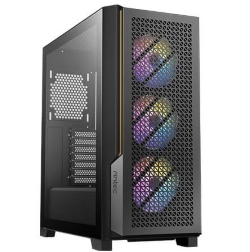
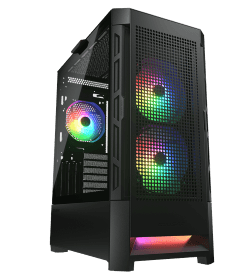
We build with both. These three show the strengths of each side, and our gaming computers list the exact processor in every system:
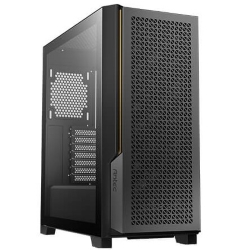
AMD vs Intel: quick answers
Is AMD or Intel better for gaming in 2026?
AMD, thanks to its X3D processors. At higher resolutions the gap narrows, because the graphics card becomes the limit.
Is Intel better for video editing?
Intel’s high core counts make it very strong for editing and rendering, often at a lower price per core. AMD’s Ryzen 9 chips are also excellent.
Should I wait for the next generation?
Both companies’ next desktop chips are expected in 2027. If you need a PC now, today’s processors are mature, well understood and fast.
Intel vs Ryzen: which runs cooler?
Generally AMD’s Ryzen 9000 chips and Intel’s Core Ultra chips run cooler than Intel’s 14th generation under full load. A good cooler keeps any of them comfortable.
Ryzen vs Intel: which lasts longer?
Both last many years. The practical difference is the upgrade path: AMD’s AM5 platform currently gives you more room to drop in a newer processor later.
Does it matter for everyday use?
Not really. For web browsing, office work and streaming, any current mid-range processor from either brand is plenty.