The RTX 5090 price has been one of the wildest stories in PC hardware. NVIDIA’s flagship launched in Australia at just over $4,000. By late 2026, finding one in stock for anything near that is close to impossible. So what does it actually cost now, why has it climbed so far, and is it worth it over the RTX 5080?
Short answer: the RTX 5090 is the fastest gaming graphics card you can buy, roughly 40 to 50 per cent quicker than an RTX 5080 at 4K. But its street price in Australia has climbed to several times its launch price, while the 5080 has risen far less. For most gamers, the 5080 is the far better value. The 5090 makes sense for 4K enthusiasts, heavy 3D work and local AI.
RTX 5090 price: launch vs today
When it launched in January 2025, NVIDIA listed the RTX 5090 Founders Edition in Australia at $4,039, with the RTX 5080 at $2,019. Partner cards from ASUS, MSI and others typically cost more than that from day one.
Since then, prices have moved a long way. An Australian RTX 5090 price tracker that checks major local retailers recorded an average of around $4,800 for the cheapest models in November 2025, and around $5,600 by January 2026. Its late October 2026 check found the cheapest in-stock cards averaging over $12,000, with many listings sold out. Over the same period, the RTX 5080’s cheapest in-stock price averaged a little under $3,000.
| When | RTX 5090 | RTX 5080 |
|---|---|---|
| Launch list price (January 2025) | $4,039 | $2,019 |
| Typical cheapest, late 2025 | About $4,800 | About $1,800 |
| Cheapest in stock, late October 2026 | Over $12,000 | About $2,800 |
Prices change quickly, so treat those figures as a snapshot, and always check current listings before you buy.
Why the RTX 5090 price climbed so far
A few things have pushed it up at once:
- Memory shortages. The RTX 5090 carries 32GB of fast GDDR7. Memory has become far more expensive because chipmakers are prioritising AI data centres, as we explain in our article on RAM prices in 2026.
- AI demand for the card itself. With 32GB of memory and enormous compute power, the 5090 is popular for running AI models locally. Many cards end up in workstations rather than gaming PCs.
- Limited supply. Production has been tight since launch, and stock in Australia is often thin.
RTX 5080 vs 5090: the specs
| RTX 5080 | RTX 5090 | |
|---|---|---|
| CUDA cores | 10,752 | 21,760 |
| Memory | 16GB GDDR7, 256-bit | 32GB GDDR7, 512-bit |
| Memory bandwidth | 960GB/s | 1,792GB/s |
| Board power | 360W | 575W |
| Recommended power supply | 850W | 1,000W |
On paper, the 5090 is close to two 5080s glued together: double the cores, double the memory and nearly double the bandwidth.
RTX 5080 vs 5090: real-world performance
In games at 4K, the 5090 is typically 40 to 50 per cent faster than the 5080, with the biggest gaps in path-traced games where its extra cores and bandwidth shine. At 1440p, the gap shrinks because the processor starts to become the limit. Both support DLSS 4.5 with Multi Frame Generation and DLSS 5, so both can reach very high frame rates in supported games. Our explainer on what DLSS is covers how that works.
Outside gaming, the 5090’s 32GB of memory is the bigger difference. It can run larger AI models and handle heavier 3D scenes and 8K video timelines that a 16GB card simply can’t fit.
RTX 5080 vs 5090 for streaming and content creation
Both cards include NVIDIA’s latest video encoders, so stream quality is excellent on either. For editing, the 5090’s extra memory and cores speed up exports and effects in heavy projects, and it handles 8K footage far more comfortably. For streaming and 4K editing, the 5080 is more than capable, and it leaves a lot of money for a faster processor, more memory or extra storage.
Power, heat and practicalities
A 575W graphics card needs serious support: a quality power supply of at least 1,000W, a case with strong airflow and room for a very large card. Make sure the power cable is pushed fully into the card’s connector and not bent sharply near it. High-power cards are less forgiving of a loose connection than mid-range ones.
Who should buy the RTX 5090?
- 4K high refresh gamers who want maximum settings with path tracing and no compromises.
- 3D artists and video editors working with heavy scenes and 8K footage.
- AI developers and enthusiasts running large models locally, where 32GB of memory is the deciding factor.
Who should choose the RTX 5080 instead?
Almost everyone else. At today’s prices, the RTX 5080 vs 5090 value gap is enormous. The 5080 handles 4K gaming well, especially with DLSS, uses far less power and costs a fraction of the 5090’s current street price. For 1440p, it’s more card than most people need. If the 5080 is still more than your budget allows, our RTX 5070 vs 5070 Ti comparison covers the next tier down.
Buying tips if you’re set on a 5090
- Check stock status, not just the RTX 5090 price. Many listings show a price for cards that are sold out or on long back-order.
- Buy from an Australian retailer. Local warranty support matters on a card this expensive.
- Be wary of marketplace bargains. Scams involving high-end graphics cards are common.
- Budget for the rest of the system. A 1,000W power supply, a large case and good cooling all add to the total.
And watch the RTX 5090 price for a few weeks before committing. It moves, sometimes by thousands of dollars.
Is the RTX 5090 price worth it?
At launch pricing, it was an expensive but defensible flagship. At current street prices, it’s hard to justify for gaming alone. Unless you need 32GB of graphics memory for professional or AI work, or you’re chasing the absolute best 4K experience regardless of cost, the 5080 delivers most of the experience for a fraction of the money.
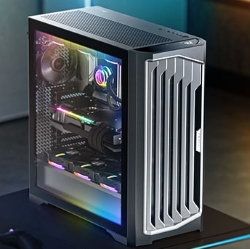
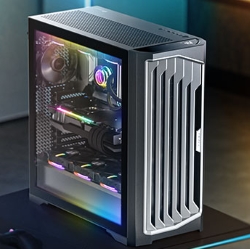
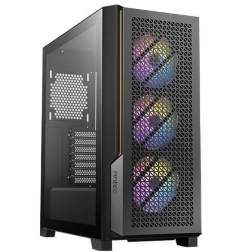
One more thing to consider: a complete system can sometimes be better value than buying the card on its own, because builders source parts differently. Compare complete machines alongside standalone card prices. Here are our 5090 and 5080 systems, with more in our gaming computers:
RTX 5090 questions
What is the RTX 5090 price in Australia right now?
It changes constantly. In late October 2026, the cheapest in-stock cards at major Australian retailers averaged over $12,000, far above the $4,039 launch price. Check current listings before buying.
Is the RTX 5090 twice as fast as the 5080?
No. It has about twice the cores, but in games it’s typically 40 to 50 per cent faster at 4K.
Will the RTX 5090 price come down?
Memory supply is expected to stay tight into 2027, so a big drop soon seems unlikely. A new generation or a market shift could change that.
Is the RTX 5080 vs 5090 gap smaller at 1440p?
Yes. At 1440p the processor becomes the limit sooner, so the 5090’s advantage shrinks noticeably. It’s really a 4K card.
Is a used RTX 5090 a good idea?
It can be, but see it running in person, confirm whether the warranty transfers, and inspect the power connector for discolouration. On a card this expensive, buying from a reputable seller matters.
What power supply does an RTX 5090 need?
NVIDIA recommends at least 1,000W. Choose a quality unit with the correct high-power connector, and leave headroom for the rest of the system.