If you’ve priced a memory upgrade lately, you’ve probably done a double take. RAM prices have climbed dramatically since late 2025, and through most of 2026 they’ve kept going. A 32GB kit that was an easy add-on a couple of years ago is now one of the more expensive parts of a new PC.
So why is RAM so expensive, how long is this likely to last, and what does it mean if you’re planning a new computer? Here’s the plain-English version.
In short: the companies that make memory chips are prioritising AI data centres, which pay more and buy in enormous volumes. Less is left for PCs, so prices have soared. Most industry forecasts expect tight supply to continue into 2027, possibly longer.
Why is RAM so expensive now?
Almost all of the world’s memory chips come from three companies: Samsung, SK hynix and Micron. Over the past couple of years, AI has created enormous demand for a special type of memory called HBM, which sits next to the processors in AI servers, as well as for regular server memory. Those products are far more profitable, so manufacturing capacity has been shifted towards them.
Building new memory factories takes years and many billions of dollars, so supply can’t simply be increased to meet demand. With PCs, phones and consoles all competing for what’s left, prices for ordinary desktop memory have shot up. Tom’s Hardware’s explainer, HBM is eating your RAM, walks through how quickly it happened.
How fast RAM prices rose
The jump started in late 2025. Reports at the time described Samsung raising some memory prices by around 60 per cent in a matter of months, and US system builders warning customers of steep increases in what they were paying for memory. The Register covered Samsung’s price rises as they happened.
It didn’t stop there. Through 2026, retail prices for DDR5 kits kept climbing, with the cheapest 32GB kits in the US selling for several times their all-time low by November. Memory contract prices hit fresh records in October 2026. Micron also stepped away from its Crucial consumer memory brand earlier in the year to focus on data centre customers, which removed one of the big names from store shelves.
RAM prices in Australia
RAM prices Australia-wide have followed the global trend. Local buyers have felt the same squeeze, often with a delay as local stock sells through and is replaced at new prices. Retailers adjust their pricing as new shipments arrive, so RAM prices in Australia can move noticeably from one month to the next. Graphics cards and SSDs have risen too, because they rely on the same memory and flash chips.
The exchange rate and freight add their own wobble. When you see a kit at a much lower price, check it’s in stock, new and from a reputable seller. Old listings and grey imports can be misleading.
What it means for a new gaming PC
Memory is now a much bigger share of a PC’s cost than it used to be. In a mid-range gaming PC, 32GB of DDR5 can cost as much as the processor, sometimes more. That changes the maths when you’re balancing a budget.
Our advice is to protect the graphics card and memory first, since they have the biggest effect on how the PC feels, and save elsewhere: a sensible case, a reliable mid-range motherboard, and a 1TB SSD you can add to later. Higher RAM prices also make complete systems look better value than they did a few years ago, because the gap between buying parts and buying a finished machine has narrowed.
How long will RAM stay expensive?
Nobody knows for sure, but most of the industry expects tight supply to last through 2026 and into 2027, with some memory makers suggesting it could run into 2028. New factories are being built, and demand from AI may eventually cool, but neither happens quickly. Waiting for prices to fall is a gamble, and it could be a long wait.
Is DDR4 a cheaper way out?
Not really. DDR4 production has been winding down for years as factories moved to DDR5, so its supply is shrinking too, and prices have risen alongside DDR5. It’s also tied to older platforms that don’t support current processors. For a new PC, DDR5 is still the right choice.
How to save money while RAM prices are high
- Buy the right amount, once. For most gaming PCs, 32GB in two sticks is the sweet spot. 16GB still works well for budget builds. Our guide Is 16GB RAM enough? helps you decide.
- Don’t chase extreme speeds. DDR5-6000 is plenty for current processors. Very fast kits cost much more for small gains.
- Use dual channel. Two smaller sticks run faster than one large one, so you get more performance from the same capacity.
- Consider a complete system. System builders and big brands often buy memory in bulk ahead of time, which can soften the impact compared with buying parts one by one.
- Keep your old PC’s RAM in mind. If you’re upgrading a machine that uses the same memory type, existing sticks may be reusable.
- Watch for genuine sales. Track prices for a few weeks before you buy so you know a real deal when you see one.
Should you buy a PC now or wait?
If you need a computer now, buying now is reasonable. Prices may not fall soon, and waiting means going without. If your current PC is working fine and you’re only thinking about an upgrade, there’s no harm in holding off and watching the market.
What we’d avoid is skimping on memory to save money today. Running short of RAM causes stutter and slowdowns, and upgrading later will probably cost more than buying the right amount up front. If you want to understand what memory actually does in your PC, our explainer on what RAM is covers the basics.
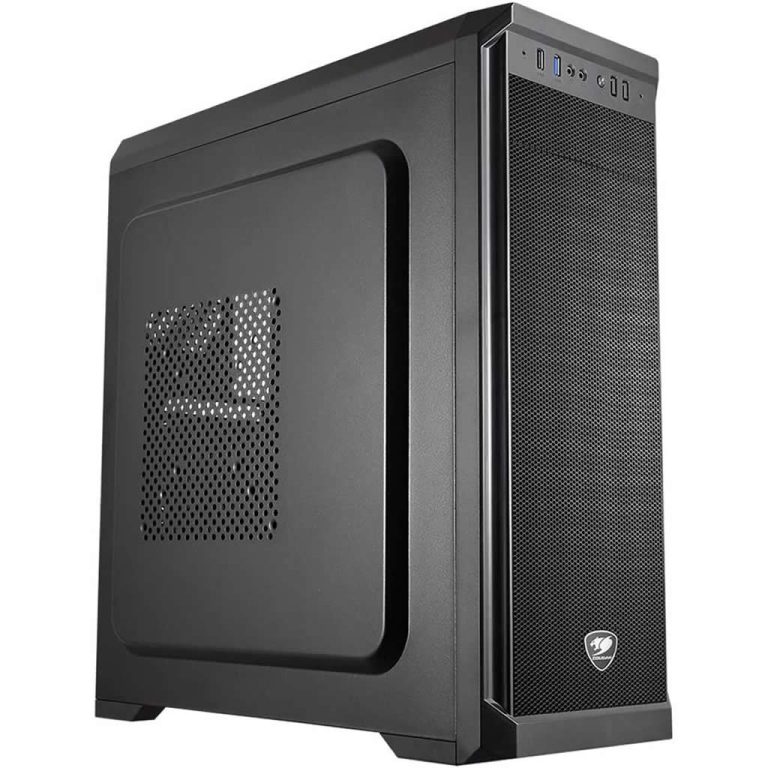
These systems show where memory sits across our range, from 16GB to 32GB. You’ll find more in our gaming computers:
RAM price questions
Why is RAM so expensive in 2026?
Memory makers are prioritising AI data centres, which buy huge volumes at higher margins. That leaves less supply for PCs, which pushes up retail prices.
Will RAM prices go down?
Eventually, as new factories come online, but most forecasts point to 2027 or later. Short-term dips are possible but hard to predict.
Are SSD prices going up too?
Yes. SSDs use flash memory from the same companies, and they’ve risen as well, though not always as sharply as RAM.
Why is RAM so expensive now compared with a few years ago?
A few years ago, the industry had too much memory and prices crashed. The AI boom has flipped that into a shortage, so prices have swung from unusually cheap to unusually expensive.
Is now a bad time to upgrade my RAM?
It’s an expensive time. If your PC is short on memory and it’s affecting how you work or play, upgrading is still worth it. If it’s fine, waiting costs nothing.
Do RAM prices Australia-wide differ by state?
Not really. Most retailers ship nationally at the same price, with delivery costs the main difference.
Where can I check RAM prices in Australia?
Price comparison sites and local retailers’ websites show current pricing. Look at the price history where you can, and compare like-for-like kits by capacity, speed and number of sticks.